
Roots by the Water: The Origins of Cypress Creek
Nestled in the heart of north Frisco, Cypress Creek stands today as a thriving, family-friendly neighborhood, but its story stretches back much further. To really understand what makes Cypress Creek unique, you have to look beneath the surface—both at its name and its earliest days.
Long before the area was transformed by new homes and tree-lined streets, the land was open prairie, dotted with groves of native bald cypress trees and crisscrossed by spring-fed creeks. The neighborhood’s namesake, Cypress Creek, once flowed gently through what is now the community’s central greenbelt, providing water for early settlers and creating a lush habitat for local wildlife. Oral histories passed down by descendants of these first residents tell of children fishing for sunfish and tadpoles along its banks and families gathering wild berries from the shady groves nearby.
From Farmland to Suburbia: Cypress Creek’s Transformation
The land that would become Cypress Creek was originally part of a patchwork of family farms established in the late 1800s. Frisco itself, incorporated in 1904, began as a stop along the St. Louis–San Francisco Railway, fueling growth and attracting new settlers. Early families—like the Taylors and the McCoys—worked the land between what are today Rolater Road and Coit Road. You can still spot remnants of this farming past in the old stone fence lines along Cedar Hill Drive and the mature pecan trees shading Walnut Ridge Lane.
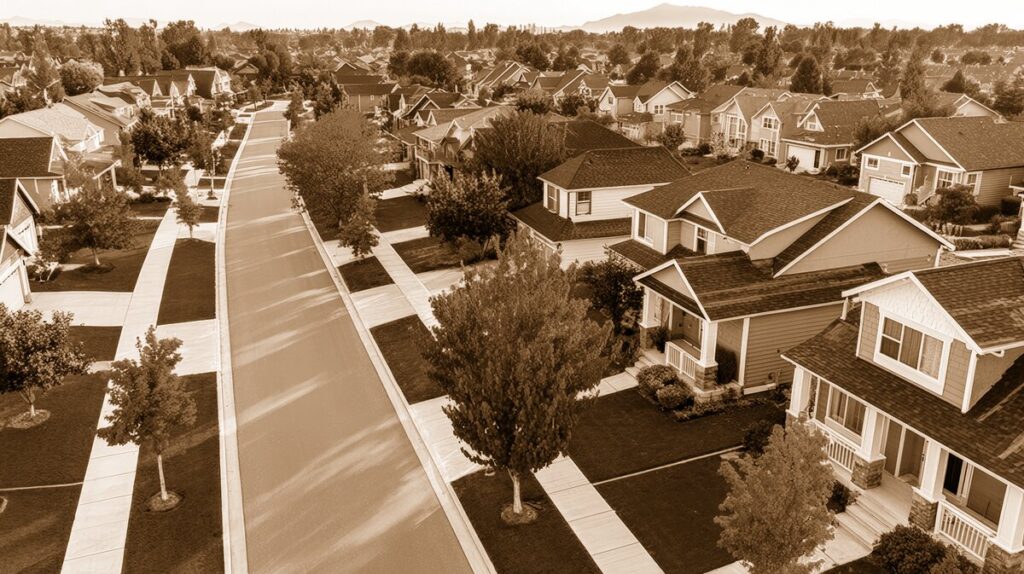
It wasn’t until the 1980s, as Frisco started its rapid transformation into a booming suburb, that developers saw opportunity in this stretch of fertile land. Cypress Creek was meticulously designed to embrace the natural beauty of the creek itself. Planners set aside generous greenbelts and parks—including the beloved Cypress Creek Park, which draws joggers, bird watchers, and families nearly every weekend.
How Cypress Creek Got Its Name
Naming the neighborhood was a community affair. The developers wanted to honor the natural waterway and the towering bald cypress trees that lined its banks—a rare and distinctive flora in northern Texas. Cypress Creek was both a literal and symbolic choice, connecting new residents to a landscape that had sustained generations.
Legend has it that during one early planning meeting, a local historian brought in a cross-section ring from a fallen cypress, showing its century-old growth rings. The symbolism wasn’t lost. Those rings inspired the community logo and even influenced the curving design of Cypress Bend Drive, which winds through the oldest part of the neighborhood.
Key Milestones Through the Years
As the years passed, Cypress Creek grew in both size and spirit, with several noteworthy milestones along the way:
- Early 1990s: The first phase of homes is completed along Oak Hollow Drive and Willow Spire Lane, marking the start of a close-knit community.
- 1996: Cypress Creek Elementary opens on Magnolia Crossing, quickly becoming more than just a school—it’s a hub for neighborhood events and PTA fundraisers, and its annual fall carnival is the stuff of local legend.
- 2001: Renovations to Cypress Creek Park introduce walking trails, a butterfly garden, and updated playgrounds, drawing even more residents to the area.
- 2010: The Cypress Creek Community Center opens its doors, providing a space for yoga, art classes, and the well-loved summer movie nights under the stars.
Landmarks That Tell a Story
Cypress Creek is home to several landmarks that speak to its heritage:
- Cypress Creek Park: The heart of the neighborhood, with footbridges crossing the original creek and shaded benches perfect for quiet reflection.
- The Heritage Pavilion: Overlooking the creek, this open-air structure is a favorite for neighborhood gatherings, weddings, and storytelling nights.
- The Old Water Tower: Near the intersection of Cypress Bend Drive and Creekview Lane stands a small, restored water tower—a tangible link to the days of steam trains and water-reliant farming.
Walking the streets of Cypress Creek, you’ll also notice dozens of painted “story stones” hidden in flowerbeds and along paths, each one telling a little piece of local lore—a tradition started by Cypress Creek Elementary’s third graders.
Evolving with Frisco
Since its earliest days, Cypress Creek has grown along with Frisco, while never losing sight of its roots. Old homes have been lovingly updated, new families from across Texas and beyond have settled in, and the community has embraced progress without erasing the past. Today, the neighborhood is a mosaic of cultures and histories—every block has stories to tell.
Community events remain the lifeblood of the neighborhood:
- The annual Cypress Creek Heritage Parade winds down Magnolia Crossing each spring, with floats celebrating everything from pioneer farming tools to the “Best Porch Garden.”
- Neighbors gather for fishing derbies at the original creek, while local scouts help keep the butterfly garden in bloom.
- The community newsletter, The Cypress Chronicle, regularly features interviews with longtime residents who remember the days when the school bus kicked up dust on unpaved roads.
What Makes Cypress Creek Special
What truly sets Cypress Creek apart isn’t just its peaceful parks or attractive homes. It’s the spirit of neighborliness and the shared sense of belonging—an inheritance from the area’s earliest settlers. Whether you’re walking your dog along the creek trail at sunrise, coaching a Little League game at Cypress Park Field, or swapping recipes at the annual fall picnic, you feel connected—not only to those around you, but to the generations who came before.
Cypress Creek’s blend of natural beauty, rich history, and warm community spirit has created a neighborhood with enduring character. As Frisco continues to grow, Cypress Creek stands as a reminder of the city’s roots—where every street and stone has a story, and every neighbor is part of something bigger.